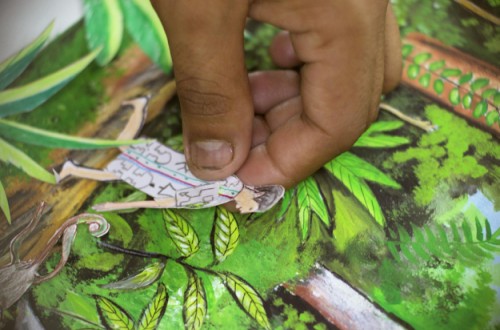
Forest futures: empowering Amazonian children to safeguard heritage and biodiversity
Tropical forests are major components of world’s carbon and water cycles but how their trees cope with drought stress?
We are transforming the evidence base for water-based decision making in a changing and deeply uncertain world.
We offer world leading research, training and innovation in hydrology, biogeochemistry and water resources.
Tropical forests are major components of world’s carbon and water cycles but how their trees cope with drought stress?
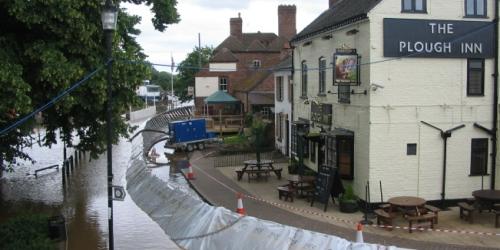
Floods represent 45% of all natural disasters, affecting 2 billion people annually and causing over $40 billion in losses, but there are knowledge gaps affecting the accuracy of global flood models.
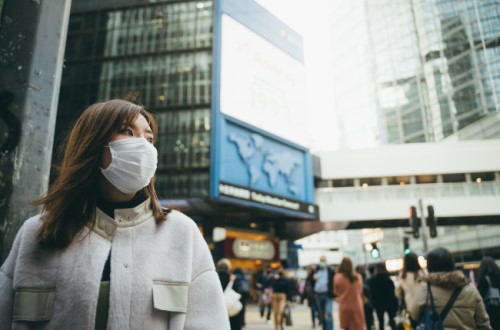
Investigating how sanitation and hygiene practices have changed at the community level since COVID-19, and their influences on environmental contamination, infectious diseases, antibiotic use and antimicrobial resistance.
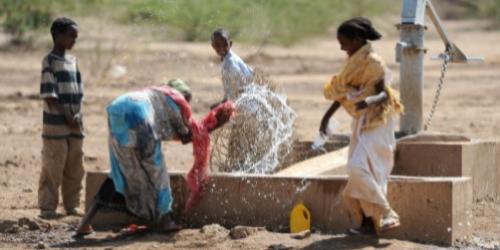
Identifying priority research needs on water management, sanitation and hygiene (WASH) in Eastern, Southern and Western Africa.
How resilient to climate change is water, sanitation and hygiene in Low to Middle Income Countries? We are developing indicators to measure their resilience.
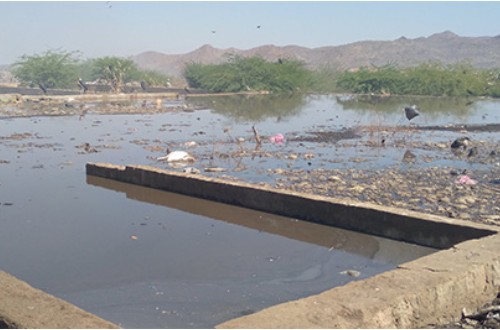
Toilets. Everyone should have access to one. Understanding how emissions from sanitation and resilience of services can be improved will help achieve universal access.
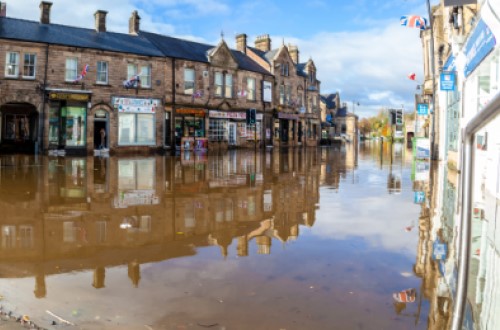
Making more accurate projections of the changing nature of UK flood risk in order to make the correct decisions within climate change mitigation and adaptation, development control, design of resilient infrastructure and flood management.
We are becoming more vulnerable to natural hazards. Since 1950, the ongoing trend shows increasing losses from global catastrophes, but why is this?
Building an interdisciplinary evidence base in Devon and Bristol.
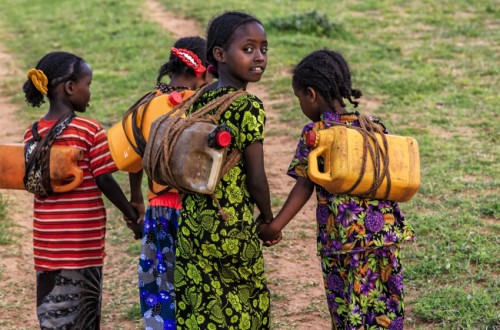
Climate change is making universal access to water, sanitation and hygiene services tougher to deliver. We must be ready to adapt.
Water supplies across the world are under threat from climate breakdown. Is imposing a technical fix always the right answer?
The East Asian monsoon fuels energy, industry and agriculture for over 1.5 billion people. How will it cope with rising CO2?
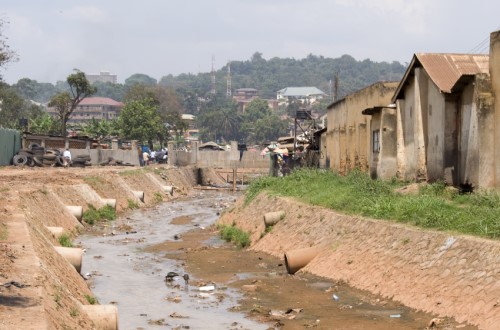
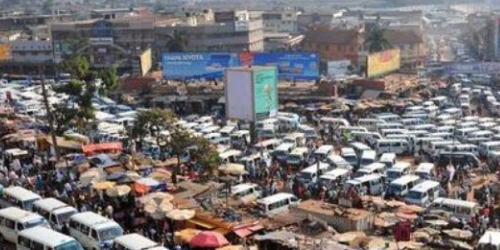
As urban populations continue to expand worldwide, enabling universal access to vital services becomes an ever-more pressing challenge.
Hurricanes can savage small island states: the Caribbean has been battered by 264 of them since 1960. Will our changing climate alter their frequency or intensity?
The ability to accurately measure the quantity and locations of rainfall is vital for water management processes to operate effectively. This is especially true in urban areas where the design and operation of storm sewer systems are highly sensitive to rainfall.
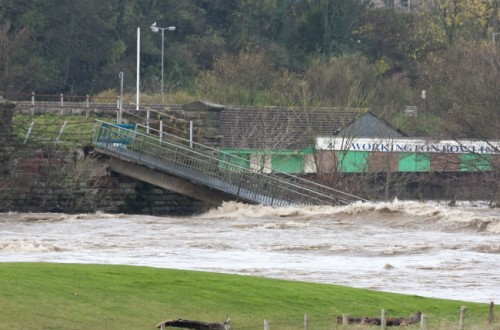
Road networks are fundamental for keeping the country running safely and efficiently. Bridges are crucial elements of these networks, since they cross over otherwise impassable obstacles.
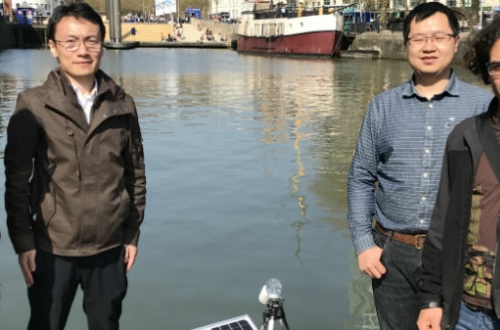
We are enabling the production of high resolution water quality distribution maps to survey the water quality for the entire Floating Harbour in Bristol.
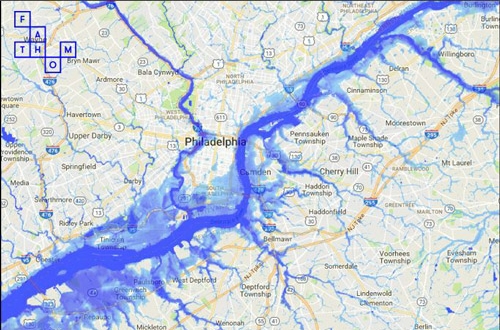
New flood modelling shows that 41 million Americans are at risk from flooding rivers, more than three times the current estimate.
From toxic algal blooms to the mobilisation of pollutants, could understanding the complexities of dissolved organic matter help society tackle environmental decline?
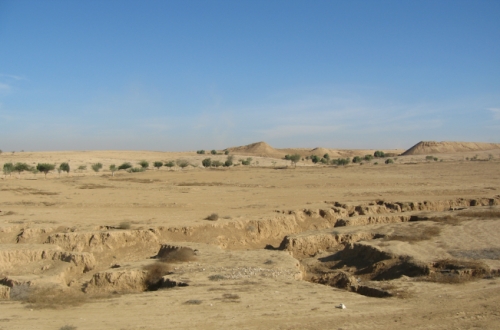
As climate changes, the world’s driest regions will be hit hardest. Already in a delicate balance with limited rainfall and high temperatures, dryland environments and the societies within them, are now facing immense challenges of adapting to environmental change.
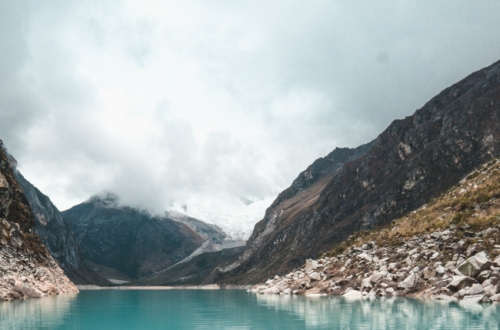
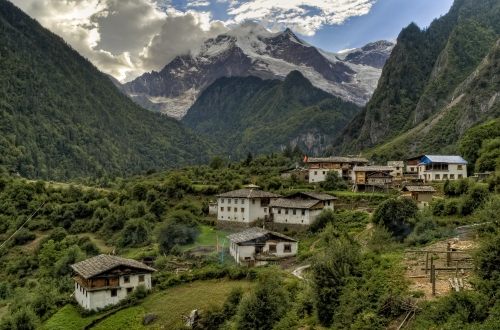
A rapidly warming climate means Himalayan Nepal’s vital natural reservoirs are vanishing fast.
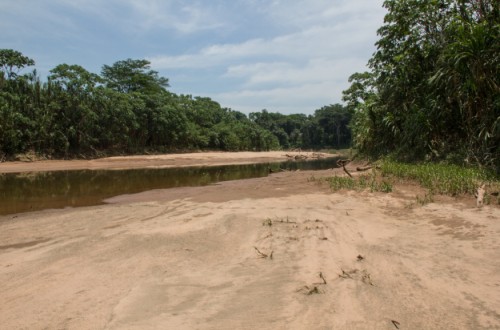
Tropical forests are major components of world’s carbon and water cycles, yet we still know surprisingly little about how their trees cope with drought stress.
Good flood risk assessments can help save lives by understanding who and what is at risk, and therefore what protections are required. But what happens when there's not enough data?
More than a sixth of the world’s population – over one billion people – rely on meltwater emanating from snow and ice for their main water supply.
The damaging effects of localised ‘everyday’ hazards affect the most marginalised and critically limit development. But they often escape the wider world’s gaze.
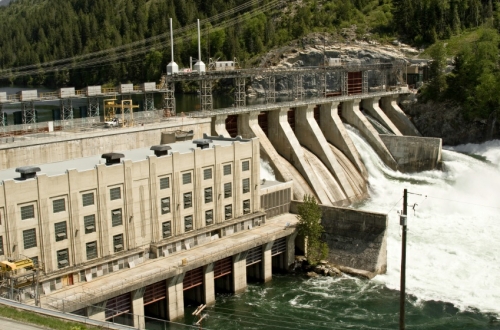
As the world population increases, there is a growing need to channel finite water resources for everything from agricultural irrigation and household supply, to flood mitigation and hydropower.


.jpg)
 500x330.jpg)