Food systems in protracted crises: applying a new conceptual framework
How can indigenous communities live better, healthily, and sustainably amidst the political, economic and environmental challenges afflicted during protracted crises?
We strive to address the challenge of feeding the growing human population sustainably without devastating our environment.
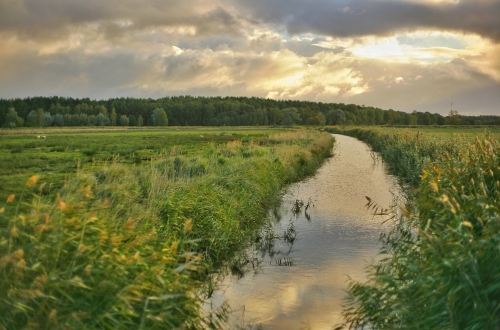
We investigate the confluence between climate change, flood and drought events and plant and animal health; navigating this critical nexus while sustaining or increasing food production.
How can indigenous communities live better, healthily, and sustainably amidst the political, economic and environmental challenges afflicted during protracted crises?
Nitrous oxide is a potent greenhouse gas with 300 times the warming potential of carbon dioxide and agriculture is the largest anthropogenic source. Utilising the soil microbiome could hold the key to reducing emissions.
Plastic pollution is so widespread that microplastics are found in food chain of most ecosystems, but we are still in the early stages of uncovering the extent of the problem and the threat to marine ecosystems.
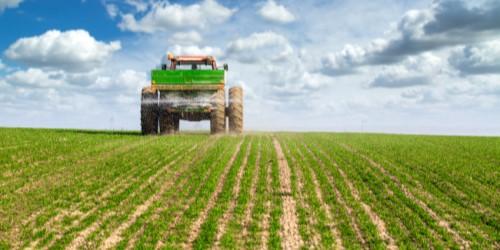
Food security in the 21st century will ultimately depend on our ability to mitigate the climate crisis. Agricultural fertilisers are a key component of food security but have negative impacts on our climate and ecology.
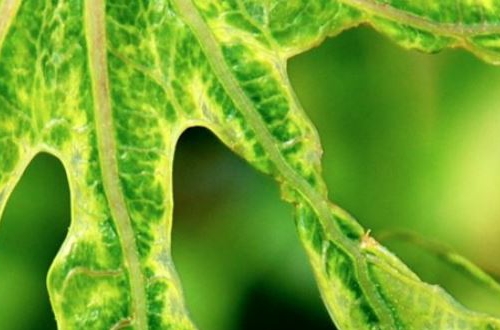
Plant viruses decimate a range of food and non-food crops worldwide. Empowering farmers and growers to take early action against outbreaks is vital to sustainably control plant health epidemics.
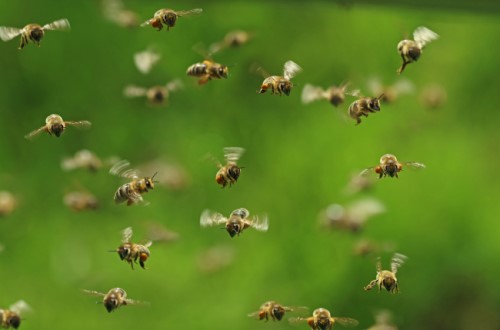
Pollination is crucial for preserving plant communities. But while the planet’s population continues to rise, increasing the need for pollinators for food production, pollinators are declining. Could innovative robotics technology address this challenge?
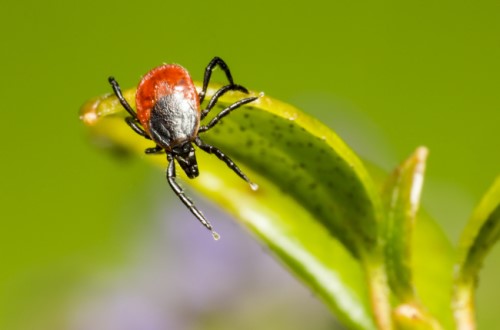
How can we secure food production in the face of a changing environment which increases the range of ticks?
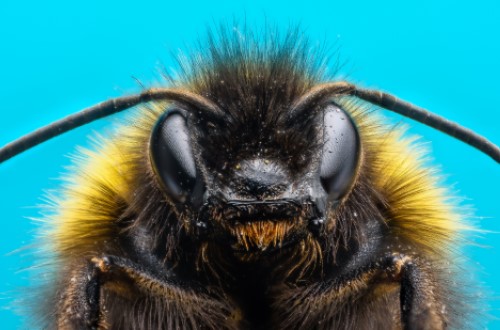
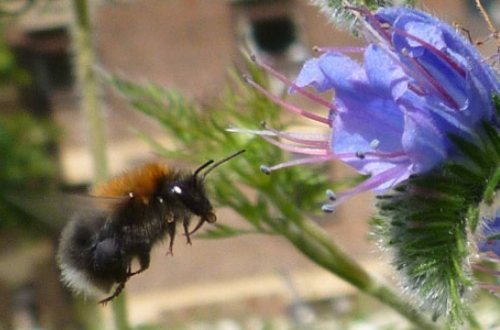
Understanding the effects of anthropogenic change on the function of bee sensory systems and the impact that these changes may have on both pollination biology and population dynamics.
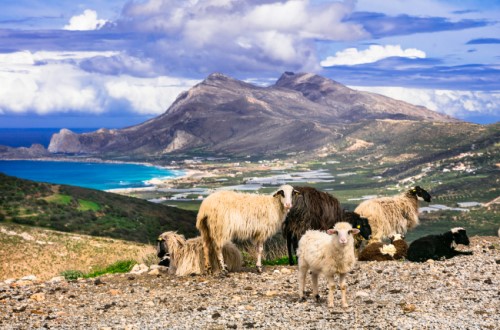
How can we protect traditional farming practices and use them to inform a more sustainable farming future?
How can we tackle malnutrition - the leading cause of disease and mortality globally and in Southeast Asia?
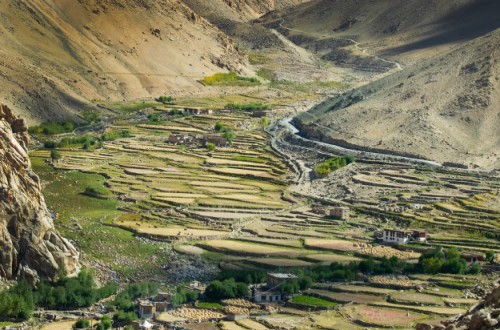
Pushing the boundaries of transdisciplinary food systems research, by better understanding how indigenous food systems support food and ecological security, rooted in local knowledge and cultural systems in regions of protracted political and environmental crises.
Building an interdisciplinary evidence base in Devon and Bristol.
How do we reduce food emissions without unintended consequences on health or wider sustainability?
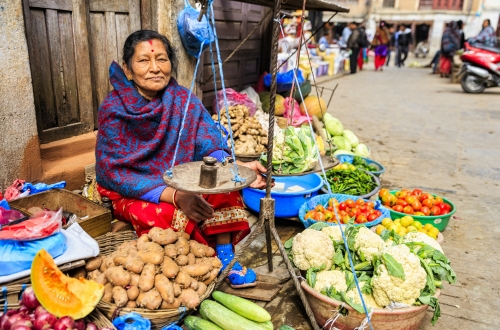
Working together to discover the links between pollinators, climate change and human health in Nepal.
As we face an increasingly urban future, we need to protect and cultivate greater biodiversity in our cities for the sake of people and pollinators alike.
We are exploring the misconceptions about the health and ecological impact of palm oil in Cameroon.
From toxic algal blooms to the mobilisation of pollutants, could understanding the complexities of dissolved organic matter help society tackle environmental decline?
Rapid adoption of sensor-driven technology in the food sector requires careful consideration of the cyber security implications for such critical infrastructure.
A rapidly warming climate means Himalayan Nepal’s vital natural reservoirs are vanishing fast.
Humans are altering the natural nitrogen cycle which is affecting our planet and health, and contributing to climate change.
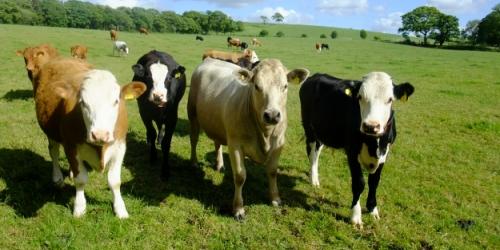
The global warming effects of livestock are supposedly well established. But actually, it may be a more complex picture than previously assumed.
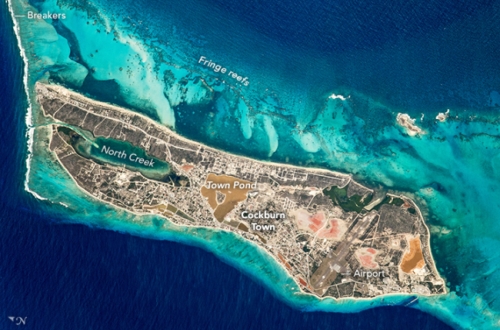
In the Turks and Caicos Islands access to food through formal channels is too expensive for large segments on society; relying instead on covert, informal trade for nutritious food.
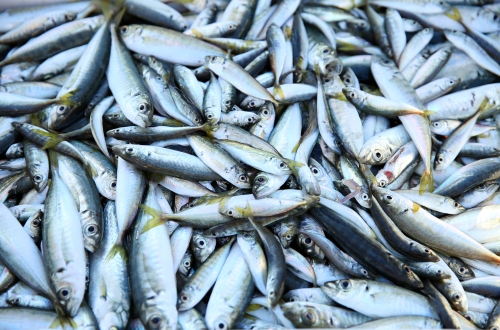
As an ever-expanding human population creates spiralling demand for food, policymakers are looking to the oceans to help prevent a crisis.
Thinking of food as a 'commons' in the transition to more bottom-up food systems.
Whether it affects cassava, yam, cocoa, maize or almost anything else, the decimation of Africa’s key crops by vector-borne viruses is deepening poverty and breeding malnutrition.






.jpg)