Joint modelling of air pollution exposure and risk of dementia
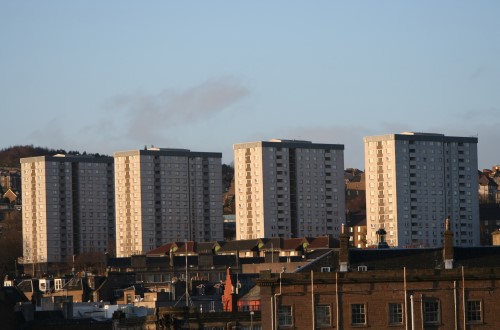
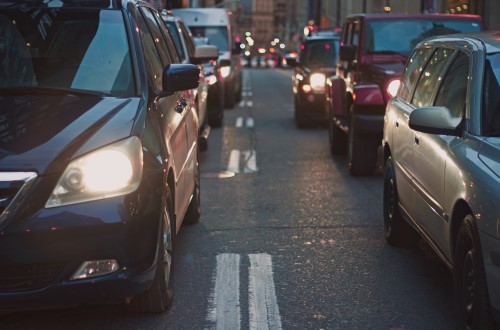
Could the toxic effects of air pollutants be increasing the risk of dementia?
We are helping cities to better understand the complex challenges they face, and support their transition to becoming sustainable, resilient and inclusive places with a high quality of life for all.
Our researchers apply their knowledge and expertise to help cities around the globe become more sustainable - particularly in terms of their energy use, emissions, biodiversity and food production.
Could the toxic effects of air pollutants be increasing the risk of dementia?
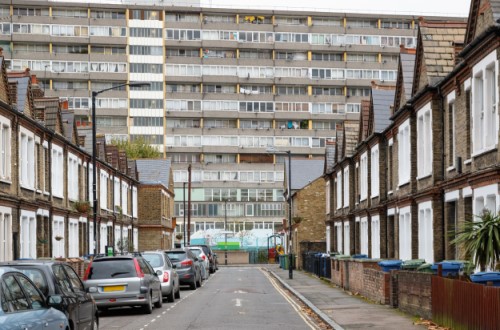
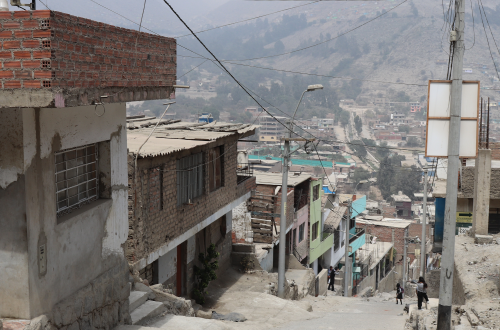
Global warming and extreme weather events are expected to widen existing social and environmental inequalities with a direct link between poor housing conditions and health. However, studies examining this have been limited in scope.
Collaborating with the originators of Bristol’s Just Transition Declaration to pilot a novel approach to city-based agenda-setting discussions, putting marginalised and disadvantaged communities in the centre of decision-making.
Taking an interdisciplinary approach to understand the interactions between urban ecosystems, built environments and neighbourhood-level microclimates to create the urban interventions required for an effective global climate change response.
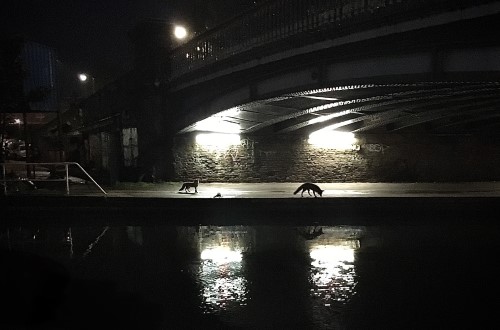
Humans aren’t built for darkness, so we still know very little about the senses of creatures that inhabit dark spaces.
How do you facilitate a just transition if city-level environmental policymaking is inherently unjust?
How can we tackle malnutrition - the leading cause of disease and mortality globally and in Southeast Asia?
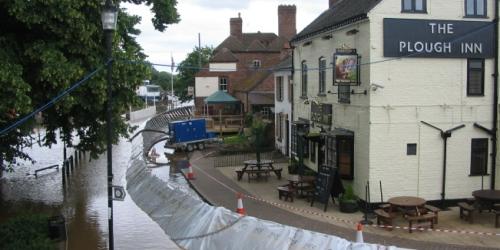
We are improving the understanding and mitigation of frequently occurring natural hazards which cause a significant impact on livelihoods and wellbeing.
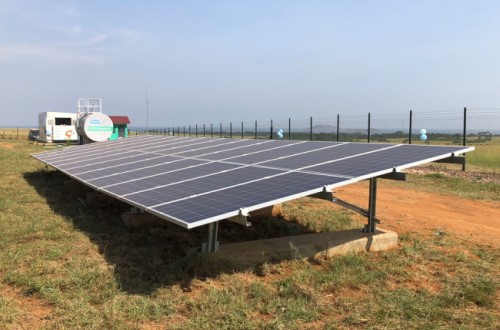
Understanding the decentralised energy paradigm in urban Africa, through case studies in Uganda and The Gambia.
We are becoming more vulnerable to natural hazards. Since 1950, the ongoing trend shows increasing losses from global catastrophes, but why is this?
Ensuring a just transition to a carbon neutral and climate resilient city in Bristol.
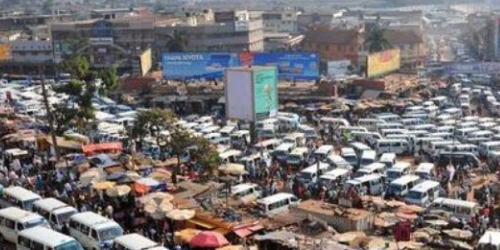
As urban populations continue to expand worldwide, enabling universal access to vital services becomes an ever-more pressing challenge.
Bristol won’t reach its 2030 carbon neutral target without a major shift towards active and public transport.
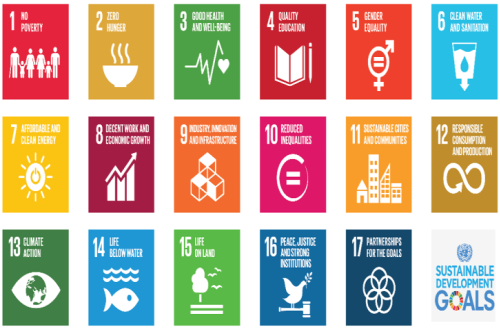
In 2015, 17 Sustainable Development Goals (SDGs) were ratified by the UN’s member nations. But who’s going to take responsibility for making sure we achieve them?
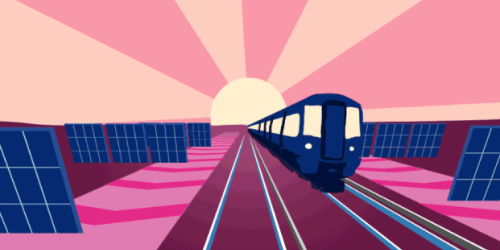
Riding Sunbeams seeks to connect solar PV directly into the UK’s electrified rail network to power trains. Direct supply of solar power traction to railway systems has never been done before, neither in the UK nor anywhere else in the world. Its potential to decarbonize railways is huge.
How do city dwellers already learn with each other and, with the resources of the city, how do they adapt to change and initiate new ways of living?
How can we better understand how manmade pollutants are affecting the electrical environment and thus affecting nature and human health?
The City Leap programme will create a healthier and fairer city for all Bristol residents, helping to de-carbonise the city, create jobs and empower communities to take their future into their own hands.
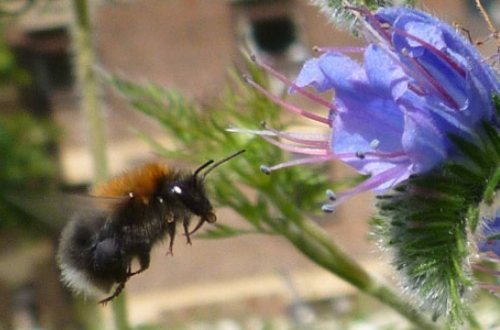
As we face an increasingly urban future, we need to protect and cultivate greater biodiversity in our cities for the sake of people and pollinators alike.
More than half of the world’s species are nocturnal by habit so how do we enhance our knowledge of these night time worlds and how they may be affected by climate change?
Integrating demographic, geographic and evolutionary theories to explain global urbanisation.
The shortcomings of our urban infrastructure may be costing the UK £2 million every day. We know we need better value, but a lack of understanding is holding us back.
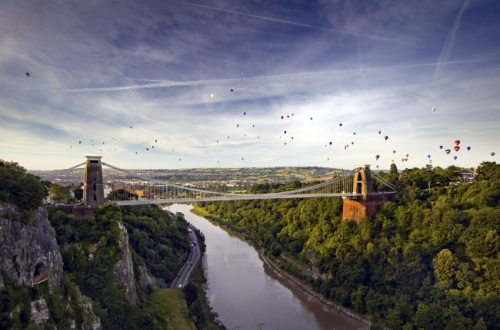
Bristol became the UK’s first-ever European Green Capital in 2015. Making that relevant to everyone in such a big, diverse city meant finding innovative ways to engage and inspire as many different groups as possible.
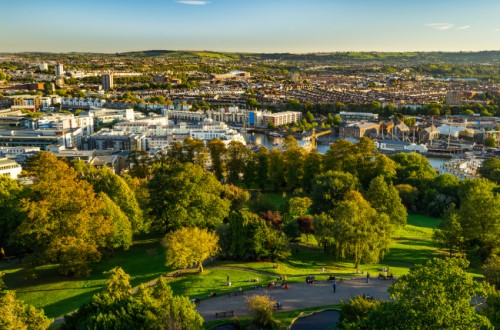
By 2050, nearly three-quarters of the world will be living in cities. How can we make these densely populated places resilient, healthy, prosperous and sustainable?
What’s so complicated about integration? And what does it mean to be integrated? These questions become easier to answer if we simply start with the routine things people are doing in the local contexts of their everyday lives.
Of the area expected to be urbanised by 2030, 60% is yet to be built. That gives us a golden opportunity to design hazard-resilient cities for our future – if we act now.