
Film and Television
Become part of Bristol's longstanding community of filmmakers and scholars, and be inspired by our creative city.
Excellent facilities
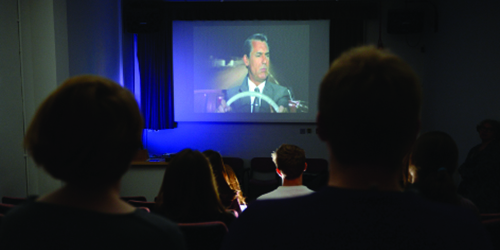
Access our high-spec 209-seat screening and lecture room, 39-seat cinema, digital filmmaking equipment, production studios, animation and edit suites, design workshop and sound rooms.
Expert teachers
Our internationally renowned academics have expertise in film and television history, criticism and filmmaking, with specialisms in everything from world cinemas and animation, to screen genres and streaming platforms.
Outstanding reputation
We are a top 10 UK University (QS World University Rankings 2026) and fifth in the UK for research impact (THE analysis of REF 2021).
Film and Television courses for 2027
Film and Television at Bristol
Bristol is distinctive for how our degrees blend the historical and theoretical study of film and television with filmmaking practice. We were one of the first universities in the UK to introduce film and television studies to our curriculum in the 1960s.
Guided by expert scholars and practitioners, you will explore the history and aesthetics of film, television and digital streaming platforms through an exciting mixture of traditional academic study and practical filmmaking. Tutors draw on their own research to bring cutting-edge ideas to your studies.
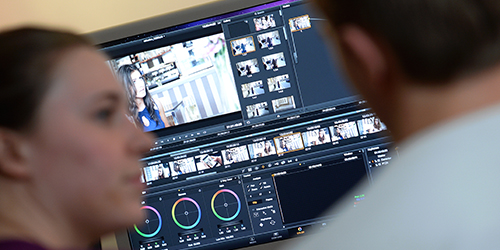
Students can bring their ideas to life with access to our filmmaking and digital production equipment, our 4K cinema, production studios, stop-motion suites, sound rooms and edit suites.
The teaching quality is superb and we are given so much support. I have enjoyed the mixture of practical and theoretical work. There are plenty of cultural events going on in Bristol, especially to do with my course.
Alicia
BA Film and Television
Career prospects
A degree in film and television is an excellent foundation for numerous career paths, including the creative industries and beyond.
The combined knowledge gained from our integrated approach to theory, history and practice means you will stand out for your confidence in navigating all these areas. Those who are hired for practical work in the screen industries are expected to have a strong contextual understanding and an ability to think critically and creatively – something that courses heavily focused on practical skills cannot as thoroughly provide. Those seeking careers directly relevant to theory and history, such as film and TV criticism, will stand out for also having a thorough understanding of how film and television are made.
We host frequent masterclasses and talks with industry figures, which have included directors, producers, visual effects artists and animators. These are specifically careers oriented and help students understand the inner workings of the film and television industry. Students have the option for an industrial placement in their final year. Other careers support currently includes:
- regular departmental enrichment events including interviews, Q&As and workshops with prominent directors, cinematographers, scriptwriters, actors and make-up artists
- an alumni mentoring programme and annual alumni network event where students get to meet alumni working in the industry
- film competitions that link students with industry.
Graduates have gone into film production, research, broadcasting, arts administration, education, finance and related business sectors, and further study. Graduate employers include: BBC Studios, Aardman Animations, Channel 4, ITV, Plimsoll Productions, Wildstar Films, Bottle Yard Studios and many more.
Bristol alumni include actors Simon Pegg, Jamie Demetriou and Pearl Mackie, as well as leading directors, producers and visual effects professionals.
Course structures
Our degrees offer an integrated approach to the study of film and television history, theory, criticism and practice. In the first year, students are introduced to the foundations of these four key areas. In addition, you will begin preparing for your future career in a core unit that introduces you to the screen industries. You will have the opportunity to experiment with a range of critical and creative projects, learning essential new skills upon which the remainder of your studies will build.
In your second year, you will begin to specialise through access to a wide range of optional units. In addition, all students expand their knowledge in core units that introduce them to diverse topics in film and television histories.
In your final year, you will deepen your understanding through the implementation of your skills in year-long critical and creative projects. Working closely with supervisors on shaping your ideas and interests, you will have access to further specialist units, placement opportunities and advanced technical training.
City of film
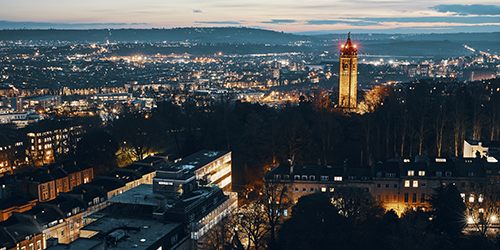
A UNESCO City of Film, Bristol is full of opportunities to get involved and is a hub of creative activity as well as a frequently used filming location.
Bristol is home to several arthouse cinemas, film festivals, and studios including Aardman Animations and the BBC's Natural History unit, where over one-quarter of the world's nature documentaries are made.
We have strong links with local partners such as Watershed Media Centre and the Encounters short film and animation festival, as well as larger organisations such as the BBC and the British Film Institute.